Wednesday, July 8, 2015

AVOIDING ANGUISH


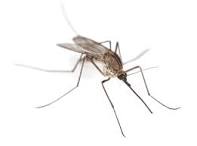
  Due to the wet spring, steady rains and standing water the mosquitoes are plentiful this year.  Don’t let the anguish of the pest stop you from relaxing in your outdoor living space.  If you are itching for relief, here are a few tips.


 AN OUNCE OF PREVENTION

   First, reduce the chances that mosquitoes and bugs can exist in your lawn by taking control methods.  Mosquitoes need standing or slow moving water to reproduce.  Look around your yard and house for standing water, such as cans, birdbaths, old tires, clogged roof gutters, boats or canoes, dripping outdoor faucets, septic tanks and plastic wading pools.  Other sites that produce large numbers of mosquitoes are watering cans, wheelbarrows, saucers under potted plants, tree holes and wells.

     A POUND OF CONTROL

            Many of nature’s own offerings can help control what’s bugging you.  In addition to the popular citronella oil, which has been around since 1882 and is commonly burned outdoors, many plants can be used as natural repellents.

 Here is a short list of repellent plants and the pests they affect:
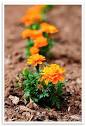
    °  Marigolds repel mosquitoes
    °  Mints repel pests that destroy your vegetables
       Catnip repels flea beetles
    °  Sweet basil repels aphids, mosquitoes and mice
    °  Pansies repel beetles and ants
    °  Horseradish repels potato beetles.

AVOIDING PARTY POOPERS

            When having an outdoor party, follow these simple guidelines to keep the pests away (note:  this does not refer to your neighbors):

°  Light citronella candle.
°  When cooking or eating outdoors, cover food and beverages so bees and flies are not attracted.
°  Always keep topical antipruritic (anti-itch medication) handy.
° Those people allergic to bee stings should speak to their doctors about proper preventative measures.
° People experience tightness in the chest, breathing problems or nausea following a bee/wasp sting, should seek emergency treatment.

     WHAT’S EATING YOU


  If the end of summer to you means finally being able to reap what you’ve sown, a pesky garden visitor can be a major problem.  Whether dealing with rabbits or raccoons, you have two options:  learn to live with them, sharing your harvest, or do something about them.

  Rabbits, chipmunks and squirrels (in that order) tend to cause the biggest problems.  A small fence of chicken wire mesh may be all you need to protect your plants.

If, however, you have an animal like a raccoon that is causing major damage, you may want to have a company trap it, or trap It yourself.

Taste repellents, while expensive, may be used on ornamental plants. Do not, however, use taste repellents on vegetables.

   Lastly, if your problem tends to be with squirrels digging up your flower bulbs, you may want to try half-inch hardware cloth cages that encompass the sides and top of the bulbs.  Plant the bulb somewhat more shallow than recommended, place the cage over the bulb and cover the area with soil.  The cage keep the rodents away, yet still permits the foliage to grow through it.  Another way to combat critters is to plant daffodils.  Animals leave these poisonous bulbs alone.

TOM’S TIMELY TIPS

°  Clean up fallen rose and peony leaves.  They can harbor disease and insect pests over the winter if allowed to remain on the ground.

°  Continue to watch for insects (slugs and snails) or disease damage throughout the garden, and take the necessary steps to control the problem.

°  If your garden flowers being eaten, yet you see no insects on the plants, check for cutworms.  These grayish-brown worms feed at night.  Control with Sevin or Malathion at rates on the label.

°  Make notes now about what you liked about this year’s garden and what can be improved.  Refer to this next spring when determining what to plant again.
           

Tom McNutt is a professor emeritus at The Ohio State University. and retired NBC4-TV resident green thumb


Saturday, May 2, 2015

THE CHANGING LANDSCAPE SPRING INTO SUMMER


            The sunshine of summer is a perfect offering for a less than perfect spring.  use it well to make up for the past imperfections.
            Now is the time when the trees bloom and remind us of new life.  If, however, your tree is not looking too lively this spring, the problem may not be the tree, it may be you. The following is a compilation of what we do that actually hurts our trees:
•  Too Little space:
            This problem is really at the root of many tree problem (pun intended!).  You thought the space by the garage would be perfect for that little Maple tree you planted. But now it looks as if the   The best way to solve this problem is forethought.  Know about the natural growth and growth potential.  Properly planning ahead could save you and you tree a lot of hassle.
tree could push the garage aside.
•  Lawn mower blight:
            This refers to the broken bark and wounded trunks caused by a careless mower.  The    The best way to avoid this is to have a grass free ring around the tree.  Your soil moisture level will also improve because grass won’t be robbing any nutrients from your tree.
occasional accidental bump is no problem, but repeated wounds to the tree can cause a problem.
•  Bad pruning:
            Pruning should be done to enhance the health, strength, vigor and appearance of the tree as well as to prevent limbs from interfering with houses, driveway, sidewalks and wires.  If your tree has a few branch stubs after pruning, it has been badly pruned!
            The most important thing to remember about pruning is:  stubs are bad.  They leave a very short limb with nothing to do except push out a bunch of fuzzy sprouts!  Also, a stub wound cannot close, making decay sure to follow.
            When pruning, do not remove the ring collar or ridge at the branch base.  make your cuts nearly flush, but not quite.
•  Chemicals:
            Most of us use chemicals to fight weeds around our yards.  This is no problem if the directions are followed exactly.  The very chemicals which cause the weeds to die can, of course, damage your tree if used incorrectly.  Never use chemicals without reading (and following) all the instructions.
•  Bad soil:
            The contractors are building a house, they generally flip the first few layers of soil to aid their project.  This is good for the foundation of our house, but bad for our trees.  What nature had intended to be a top layer of soil is now several feet lower and so the roots of our trees are left searching for the  proper nutrients.
            You probably don’t want to flip your soil back the way it should be, but you can modify the soil to make it a better growth environment.  Soil amendments such as sand, peat, compost and proper drainage, can help your tree survive.
•  Bad watering:
            This is simple.  The tree may be getting too much water or not enough.  Newly planted trees, and trees in hot, dry, windy weather conditions, need to be watered more frequently.  Consider whether this could be ailing your tree.
•  Bad pets:
            No, I am not referring to dogs naturally “watering” your trees, here.  But if your dog is chained to  your tree, the chain could be cutting into the bark.  Also, cats have been known to damage small trees by using them as a scratching post.  Keep your eyes open for this one.

•  Bad trees:
            Okay, maybe the tree isn’t bad, but maybe it just wasn’t meant to grow in your area.  If it is a newly planted tree that is causing you a problem, maybe it was root bound from being in the container too long.  Sometimes, you just can’t fix the problem of a tree.  But at least you tried.

Mulching Mistakes:
            Spring’s unseasonably cold weather forced many to mulch when they should have waited for warmer weather.  Cold ground temperatures and early mulching of landscape plants are causing poor plant growth now.  The mulch acts as a blanket holding in the cold temperatures, keeping the plants form thriving.

When Mulch?
            Mulch is usually applied first in spring after the soil has warmed and begun to dry from winter rains and snow.  This is usually mid to late spring.  Mulching too early can delay drying of the soil and subsequent root growth which is dependent upon sufficient aeration (Oxygen in soil) and reasonably warm temperatures in the root zone.  In a spring season like this year’s mulching should be delayed until May or June.

Mulch Mayhap
            If you mulched during the colder early spring, and your plants are not looking their best, it’s not too late to help them.  Simply pull the mulch away from the base of the plant and let the soil underneath warm up and dry.  Once this is achieved, the base may be covered again with mulch.

Over Mulching:
            Don’t do a bad thing by piling 10-12” mounds of mulch around your tree .  I don’t know how this style of mulching came into being, but it is NOT correct.
            Don’t get caught up in mulch mania, two or three inches is enough.  Also, pull the mulch one or two inches away from the tree to prevent bark decay.

May your summer be “tree”mendous.


Wednesday, April 8, 2015

WAS GRANDMA’S GARDEN TRENDY?


            The old saying,“ What goes around, comes around”, seems to be true with gardeners.  Did Grandma know that some day gardening would be America’s #1 leisure activity and a very huge business?  Was Grandma’s gardening different than today’s Gardeners?

            Most of our garden traditions and trends today originated during the period of Grandmother’s Garden (1865 – 1915).  Just as people then were yearning for a simpler life – nostalgia for the past as they faced the new industrial revolution – so we are people looking for a simpler time during the technology and information age. 
 
   Let’s take a look at the trends summarized from a decade of studies, services and interviews with gardeners. Many of the plants and the gardening styles today are similar to a century ago, giving credence to the saying that nothing is really new, just rediscovered.

OTHER GARDENING TRENDS

Indications are that gardeners want more pleasure for less effort.  They are opting for more landscaping, less lawnscaping. Part of this trend is driven by cold, hard economics: landscaping is an investment that pays off in higher home values and less maintenance.  But the real driver here is the immediate payoff:  more comfortable and useful outdoor living space.  Gardeners are choosing easy care plants:  hydrangeas, coleus, ornamental grasses and spring flowering bulbs, which need little care once established.

SMALLER SPACE

            Going along with less maintenance, gardens are becoming more personal and intimate.  There is less dependency on classic design and more self-expression.  Gardeners are making use of all available space from patios to rooftops.  They are also taking advantage of the many dwarf perennials, trees and shrubs on the market, like container fruit trees and Gardening patio Clematis.
 
            Container gardening has been on the fast track for a decade, and home gardeners are finally realizing that the bigger the pot, the better.  Large containers have more visual impact and require less frequent watering.  Also spurring the trend to big is a new generation of inexpensive resin pots that look great and weigh less – much, much less – than traditional terracotta.
 
            The new term is “Potscaping” – clustering groups of containers and using containers within a garden border is a popular trend.  Anything goes in a container, from annuals to perennials to dwarf trees or vegetables.

            Adding another dimension – Vertical gardening is popular.  We’re no longer willing to let our plants lie down on the job.  Today, more gardeners are using trellises and arbors, combined with vines and climbers, to add a third dimension to our landscape.  Besides relieving the monotony of ground-hugging plantings, vertical accents increase privacy and create instant focal points even before their plant buddies mature.

            Using garden art is adding personality in the landscape.  Gardens are viewed as outdoor rooms as well as entertainment destinations.  We’re spending money on statues, birdbaths, gazing globes and all the traditional garden art as well as sophisticated and high end furniture.  Designed accessories manufactured specifically for outdoor use:  lighting, fireplaces, restaurant quality cooking units, and audio gear, increasingly blur the line between indoors and out.

     Colorful foliage and texture is fascinating. The use of dark purple and black foliage plants continue as a trend.  Coleus and white variegated plants also remain very popular.  Ornamental grasses and ground covers are still top sellers.

  More houseplants - ferns, snake plants and palms aren’t just for your Grandma’s parlor any longer.  Homes are being filled with houseplants.  Many houseplants do double duty:  indoors during cold weather where they add living color and clean the air; and then moved outside to decorate the deck or patio in the summer.  For many people their first introduction to gardening is tending to a houseplant in college or in their first apartment.  Plants are adorning desks in offices more than ever before and improving the beauty and reducing stress in the work place!

            Water features are one of the hottest trends, but their use is changing.  Large, high maintenance ponds are being replaced by small container water gardens and fountains, which provide the sound and ambience of water without the time demands.

            Reflecting society’s current enthusiasm for healthy eating and a desire for fresh, flavorsome fruits and vegetables, vegetable gardening is coming back in vogue.  Herbs and veggies are being grown alone or mixed in containers.  Growing your own vegetables, flowers and herbs is a new status symbol of luxury.  It is a luxury of the heart that says, “I care, and make the time to do it.”  When a child learns where his food comes from, he is better equipped to make healthy food choices.

            I wonder what Grandma would think of these trends and how things have or have not changed.  Sunflowers were popular then, as they have become once again.   Tropical plants, especially those with bold foliage, were introduced into the more formal gardens, another trend rediscovered in today’s gardens.  Roses, peonies, phlox and hollyhocks were among the perennials commonly planted in Grandma’s time.
 
            The old fashioned gardens incorporated vegetables and fruits for aesthetics, show and food.  They were located close to the house and often used as intimate living space or an outdoor room, much as we see in today’s home garden.

            We have come a long way but we are a true reflection of our own gardening heritage. Come on let’s play crochet.

Tom McNutt is a professor emeritus at The Ohio State University. and retired NBC4-TV resident green thumb