Wednesday, September 2, 2015

FALL GARDENING

 
FALL GARDENING
Although the days are getting  
 shorter and there could be a slight nip in the morning air, the September sun is still blazing.  We must continue to monitor the garden’s water needs. There are also several other important practices to be accomplished.
Fall Watering:

         Though we usually have ample rainfall in autumn, it's not uncommon to have to supplement what Mother Nature delivers. For instance, it's important to water newly planted tulips and other spring-flowering bulbs so they make roots before the soil freezes. If weather remains dry, water your bulb beds once a week.


It is also a good idea to water newly planted trees and shrubs every ten to fourteen days. Be careful, though, not to over-water if you have heavy, clay soil. Continue watering periodically, IF NECESSARY, until the soil freezes. In fact, you should mulch those plants with several inches of woodchips or shredded bark to prevent early freezing. (Roots continue to grow as long as soil temperatures don't drop below forty degrees F.)

  Evergreens will come through winter in better shape if they're not moisture stressed. We used to think that just meant watering regularly in autumn, but it also involves watering in July and August whenever weather is hot and dry. Even though there's been plenty of rain this summer, it's a good idea to water these plants if we run into a dry spell in fall.

            Remember, the cooler it gets, the longer plants can go between watering. Every year some people lose newly transplanted trees and shrubs because they water them daily, thinking they are being helpful, when really they're just rotting the roots, especially in clay soils.

 Lawn Weeds
Lawn Weeds:

  Fall is an ideal time to control weeds in lawns.  Removal of weeds at this time allows the turf to fill in the areas left vacant before weeds can refill them.  Control of broadleaf weeds in lawns can be most effectively obtained by using a chemical herbicide.  Fall applications of these chemicals are normally safer, too, since most woody ornamental plants are somewhat less susceptible to accidental herbicide drift.

Planting Perennials: 

  Early September is a good time to divide spring blooming perennials, such as iris, peonies, day lilies, Shasta daisies and others.  New divisions need about a month of good growing conditions before freezing weather in order to establish well.  If blooms were sparse or undersized or if plants have dead centers, it may be time to divide.  Once divisions are replanted, water one inch a week to help roots establish well  Plan to mulch newly planted divisions after the ground freezes.

Ripening Tomatoes Indoors:
  Tomatoes taste best when allowed to ripen on the vine, but this year's unusual weather has left gardeners with lots of tomatoes that have been slow to mature.

Any tomatoes that have already turned light green (on their way to pink, and finally red) can be expected to ripen satisfactorily indoors. Of course, they'll never taste as wonderful as vine-ripened, but they won't be bad.

 Tomatoes ripen best indoors when kept out of direct sunlight, at temperatures that range from 60 to 70°. You can keep them in the basement, but if it drops below 55° degrees, flavor will suffer. Wrap fruit individually in tissue paper; then if one begins to decay, it won't take its neighbors with it.

Tom’s Tips:

•        Allow plants to finish the summer growth cycle in a normal manner.  Never encourage growth with heavy applications of fertilizer or excessive pruning at this time.  Plants will delay their dormancy process that has already begun in anticipation of winter in the months ahead.  New growth can be injured by an early freeze.

•        Select plants for your landscape that will provide autumn colors.  Trees that have red fall color are flowering dogwood, red maple, sugar maple, Norway maple, red oak and scarlet oak.  Shrubs with red fall foliage include sumac, viburnum, winged euonymus and barberry.


•        Rake up leaves, twigs and fruit from crabapple trees and dispose of them in the trash to help control apple scab disease.


Tom McNutt is a professor emeritus at The Ohio State University. and retired NBC4-TV resident green thumb


Thursday, August 13, 2015

GARDENERS SECOND CHANCE


            Late August and early September is a second chance for gardeners to do all those things we didn’t get around to in the spring.  For an instant garden blast of color, fill your flowerbeds and empty spaces in your landscape with Chrysanthemums.  They come in a wide range of autumn colors from white, yellow and gold to bronze to maroon.  Lighter colors tend to bloom earlier than darker reds and purples.  So select different colors for a longer display of color. 

       Mums also work well as container plants to decorate patios, porches and decks.  Go easy on the water, however, to prevent root rot.  Potted mums do not do well inside the house, as lower light levels often result in yellowing leaves and droopy flowers.
 
     Flowering Cabbage and Kale also make nice fall plants to replace annual flowers.  Both will turn a beautiful color with the cold and will last until covered with snow.  Or try Fall Asters as they provide good color and many of them are hardy as well. 

    September is an excellent time to plant trees and shrubs.  If planted this month their roots will continue to grow into November, giving them plenty of time to get well-established before winter.  You might find some good clearance sales this time of year, but don’t let price dictate what you buy.  Leftovers at the end of the season can be just that.  Poor quality means they might require more help to survive.  Choose varieties that do well in your hardiness zone, as well as fit into the space you have available.  Allow ample room for growth as trees and shrubs mature. 

DIVIDE AND CONQUOR:

       Perennial flowers can be safely moved at this time.  Warm soil temperature allows for optimum root growth and establishment before the soil freezes.  If you move and divide peonies, make sure to replant them only one and one-half to two inches below ground level.  Planting too deeply at this time keeps the new plants from blooming.  After the soil freezes later this fall, apply a good layer of mulch over all newly moved and divided perennials to keep them from heaving from the soil over winter.
 
THINK SPRING

    It is time to think spring and plant those spring flowering bulbs.  The bulb package lists planting techniques but fails to suggest planting design.  I encourage mass plantings of one flower type.  The use of several dozen bulbs in one spot will produce a better effect than a mixture of many colors.  European gardens often contain several thousand bulbs of a single type to create a display that is impossible to describe.


SHOULD PERENNIALS BE CUT NOW?

       It depends - if you get little snow, you may want to leave them until spring, so the stems can trap the snow.  If you have perennials with attractive winter interest, such as Sedum Autumn Joy or ornamental grass, you may wish to leave them for winter effect.  Some seed heads, such as Black-eyes Susan, may provide food for birds.  If your perennials are diseased, cut them back and destroy - don’t compost - the diseased stems and leaves.

     Perennial plants lacking winter interest, should be cleaned up after a few hard frosts in the fall.  When cutting back, leave a couple of inches of stem to help trap the snow. 
           
Tom McNutt is a professor emeritus at The Ohio State University. and retired NBC4-TV resident green thumb.


Wednesday, July 8, 2015

AVOIDING ANGUISH


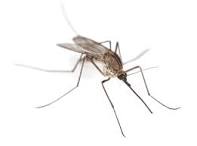
  Due to the wet spring, steady rains and standing water the mosquitoes are plentiful this year.  Don’t let the anguish of the pest stop you from relaxing in your outdoor living space.  If you are itching for relief, here are a few tips.


 AN OUNCE OF PREVENTION

   First, reduce the chances that mosquitoes and bugs can exist in your lawn by taking control methods.  Mosquitoes need standing or slow moving water to reproduce.  Look around your yard and house for standing water, such as cans, birdbaths, old tires, clogged roof gutters, boats or canoes, dripping outdoor faucets, septic tanks and plastic wading pools.  Other sites that produce large numbers of mosquitoes are watering cans, wheelbarrows, saucers under potted plants, tree holes and wells.

     A POUND OF CONTROL

            Many of nature’s own offerings can help control what’s bugging you.  In addition to the popular citronella oil, which has been around since 1882 and is commonly burned outdoors, many plants can be used as natural repellents.

 Here is a short list of repellent plants and the pests they affect:
    °  Marigolds repel mosquitoes
    °  Mints repel pests that destroy your vegetables
       Catnip repels flea beetles
    °  Sweet basil repels aphids, mosquitoes and mice
    °  Pansies repel beetles and ants
    °  Horseradish repels potato beetles.

AVOIDING PARTY POOPERS

            When having an outdoor party, follow these simple guidelines to keep the pests away (note:  this does not refer to your neighbors):

°  Light citronella candle.
°  When cooking or eating outdoors, cover food and beverages so bees and flies are not attracted.
°  Always keep topical antipruritic (anti-itch medication) handy.
° Those people allergic to bee stings should speak to their doctors about proper preventative measures.
° People experience tightness in the chest, breathing problems or nausea following a bee/wasp sting, should seek emergency treatment.

     WHAT’S EATING YOU


  If the end of summer to you means finally being able to reap what you’ve sown, a pesky garden visitor can be a major problem.  Whether dealing with rabbits or raccoons, you have two options:  learn to live with them, sharing your harvest, or do something about them.

  Rabbits, chipmunks and squirrels (in that order) tend to cause the biggest problems.  A small fence of chicken wire mesh may be all you need to protect your plants.

If, however, you have an animal like a raccoon that is causing major damage, you may want to have a company trap it, or trap It yourself.

Taste repellents, while expensive, may be used on ornamental plants. Do not, however, use taste repellents on vegetables.

   Lastly, if your problem tends to be with squirrels digging up your flower bulbs, you may want to try half-inch hardware cloth cages that encompass the sides and top of the bulbs.  Plant the bulb somewhat more shallow than recommended, place the cage over the bulb and cover the area with soil.  The cage keep the rodents away, yet still permits the foliage to grow through it.  Another way to combat critters is to plant daffodils.  Animals leave these poisonous bulbs alone.

TOM’S TIMELY TIPS

°  Clean up fallen rose and peony leaves.  They can harbor disease and insect pests over the winter if allowed to remain on the ground.

°  Continue to watch for insects (slugs and snails) or disease damage throughout the garden, and take the necessary steps to control the problem.

°  If your garden flowers being eaten, yet you see no insects on the plants, check for cutworms.  These grayish-brown worms feed at night.  Control with Sevin or Malathion at rates on the label.

°  Make notes now about what you liked about this year’s garden and what can be improved.  Refer to this next spring when determining what to plant again.
           

Tom McNutt is a professor emeritus at The Ohio State University. and retired NBC4-TV resident green thumb